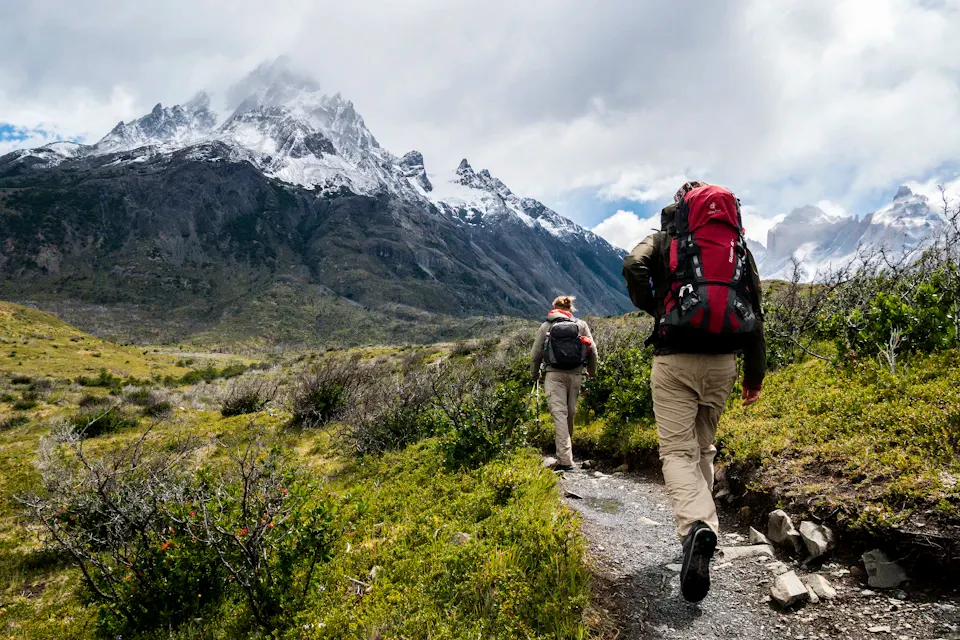
Give your trip a cover
Find the composition, adjust the color, then add a title.
- Crop
- Adjust
- Annotate
 ClixMagic
Crop, adjust, annotate, then export. Keep every edit in one workspace.
Start with: MetadataSwitch tools anytime
Static JPEG, PNG and WebP. Up to 25 MiB / 24 megapixels each; 16 images / 80 MiB / 96 megapixels total. Download before leaving: the workspace does not autosave.
Images stay in this browser. Supports JPEG, PNG and WebP. Leaving clears your workspace, so download your results before you go.
Combine tools for a cover, shop images or a visual story. Here are three ways to start.
Find the composition, adjust the color, then add a title.
 1:1
Match sizes and borders, then add your own brand mark.
Arrange a strip or grid and use annotations to connect the details.
Your images, editing history and exports stay together in this workspace.
Try it in the workspaceChoose files, drag them in or paste an image. Try the sample if you want to explore first.
Set the composition and size, then adjust colors, annotate or watermark. Switch tools on the same image and undo applied changes.
Compare with the original, then choose PNG, JPEG or WebP. Download multiple results as a ZIP and save them before leaving.
Questions about your images, privacy and exports.
Need a hand? Contact supportThe basic image editor is free and needs no account. Cropping, adjustments, annotations and batch exports run in your browser without using cloud image credits.
This workspace processes your images in the current browser without uploading them. Download your results before leaving or refreshing; the workspace does not autosave.
Use static JPEG, PNG or WebP images. Each image can be up to 25 MiB, 24 megapixels and 12,000 pixels per edge. A session supports up to 16 images, 80 MiB of source files and 96 megapixels total. Animated images, HEIC and PDF are not supported.
Yes. Switch tools in the editor to keep working on your current image. Undo, redo and restore are available, with up to 12 history steps, fewer under memory pressure. Saved text and shapes remain editable until a pixel edit flattens them into the image.
Choose PNG or WebP for transparency, or JPEG with a quality setting for photos. JPEG fills transparent areas with the matte color. PNG does not use a quality setting, and the editor reports when a file-size target cannot be met.
Use a solid cover in the Redact tool and inspect the exported result. Blur and pixelation may leave details recognizable, so use solid covers for passwords, account numbers and other sensitive text.
Try the sample or bring an image into the workspace.